


Concluding Panel
Expanding Possibilities.
As material science advances, new opportunities continue to emerge. The industries shown here represent just a portion of what regional processing infrastructure can enable.

Catavus · United States · Industrial Biomaterials Infrastructure
We are developing regional processing infrastructure that transforms industrial hemp into standardized industrial materials—connecting American agriculture with modern manufacturing.
01 / 09 · The Missing Infrastructure
Across construction, manufacturing, textiles, automotive, packaging, and advanced materials, demand for high-performance biomaterials continues to grow.
The challenge isn’t discovering new materials. It’s delivering them in a form manufacturers can reliably use.
Without regional processing infrastructure, agricultural feedstocks remain raw crops instead of standardized industrial materials.
That’s the infrastructure Catavus is building.
Fig. 01 · The Industrial Bridge
American Agriculture — Catavus — American Manufacturing

Field · I
American Agriculture
Raw agricultural feedstock · unstandardized
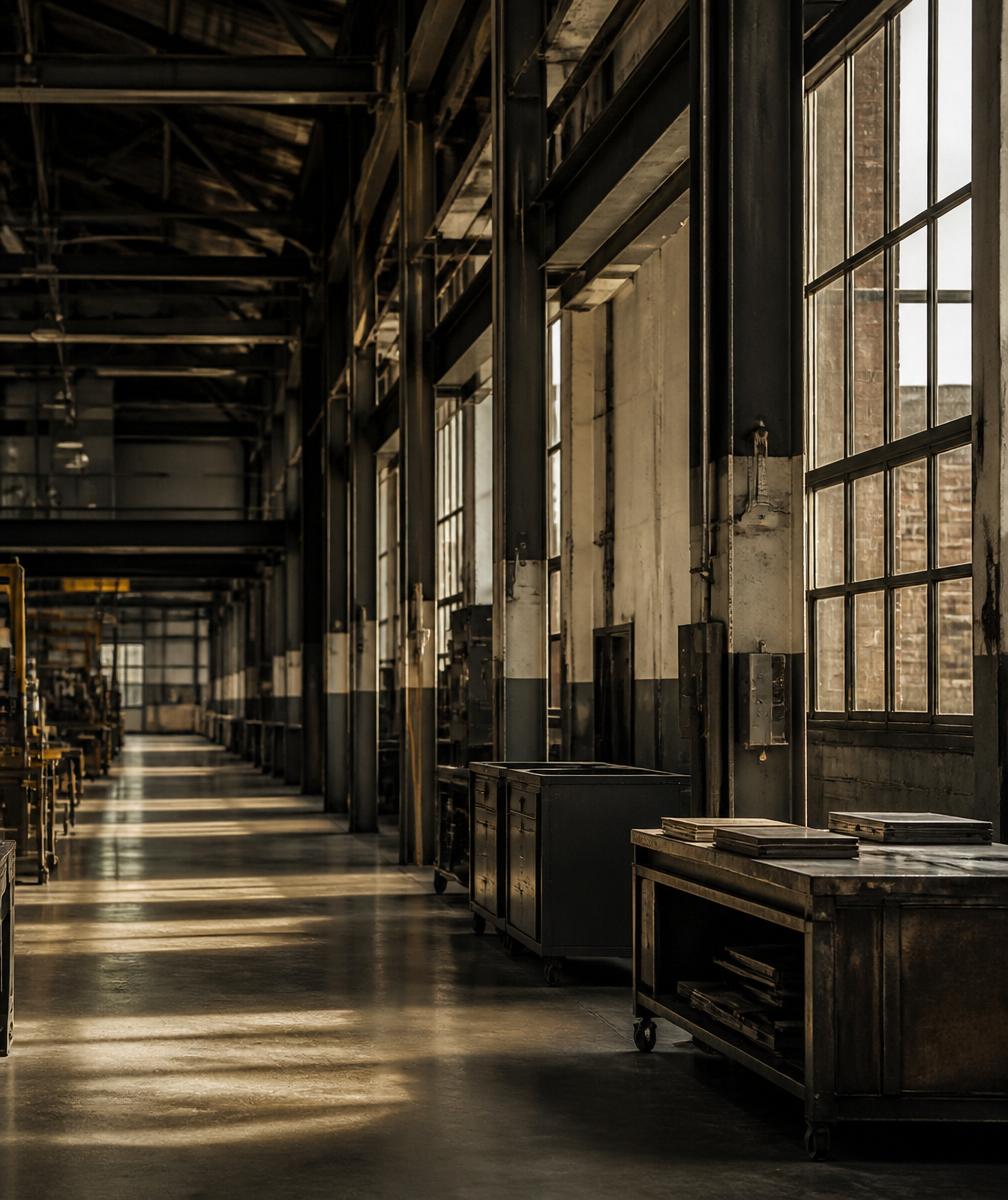
Factory · II
American Manufacturing
Standardized industrial materials · ready to specify
Connecting Infrastructure
Catavus
Catavus is the processing layer between American agriculture and American manufacturing.
02 / 09 · From Potential to Production
Promising biomaterials only reshape industries when they become practical to adopt.
Materials That Leave Catavus
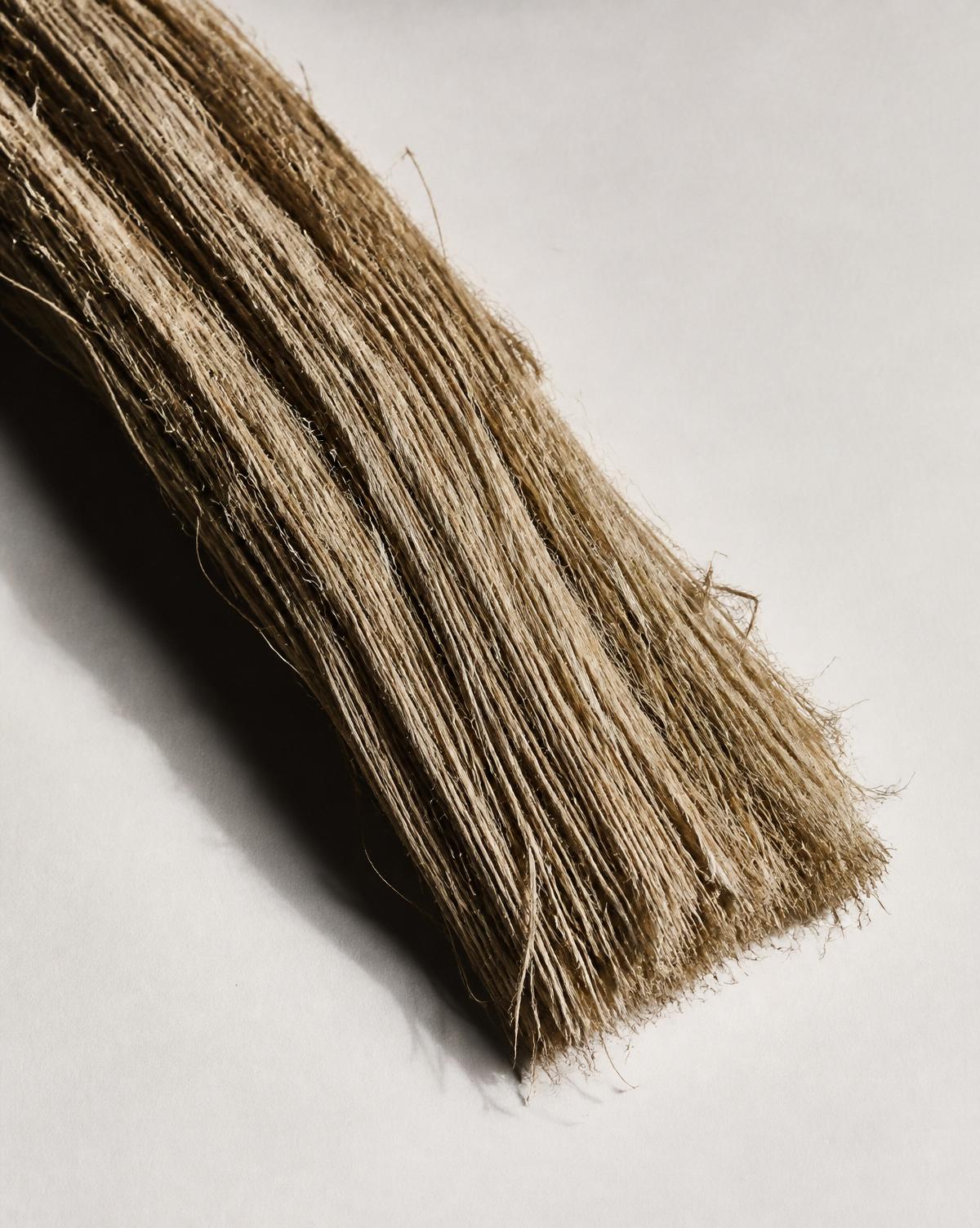
Material 01 · Long Fiber
Bast Fiber
Premium natural fibers supporting textiles, composites, insulation, and advanced materials.
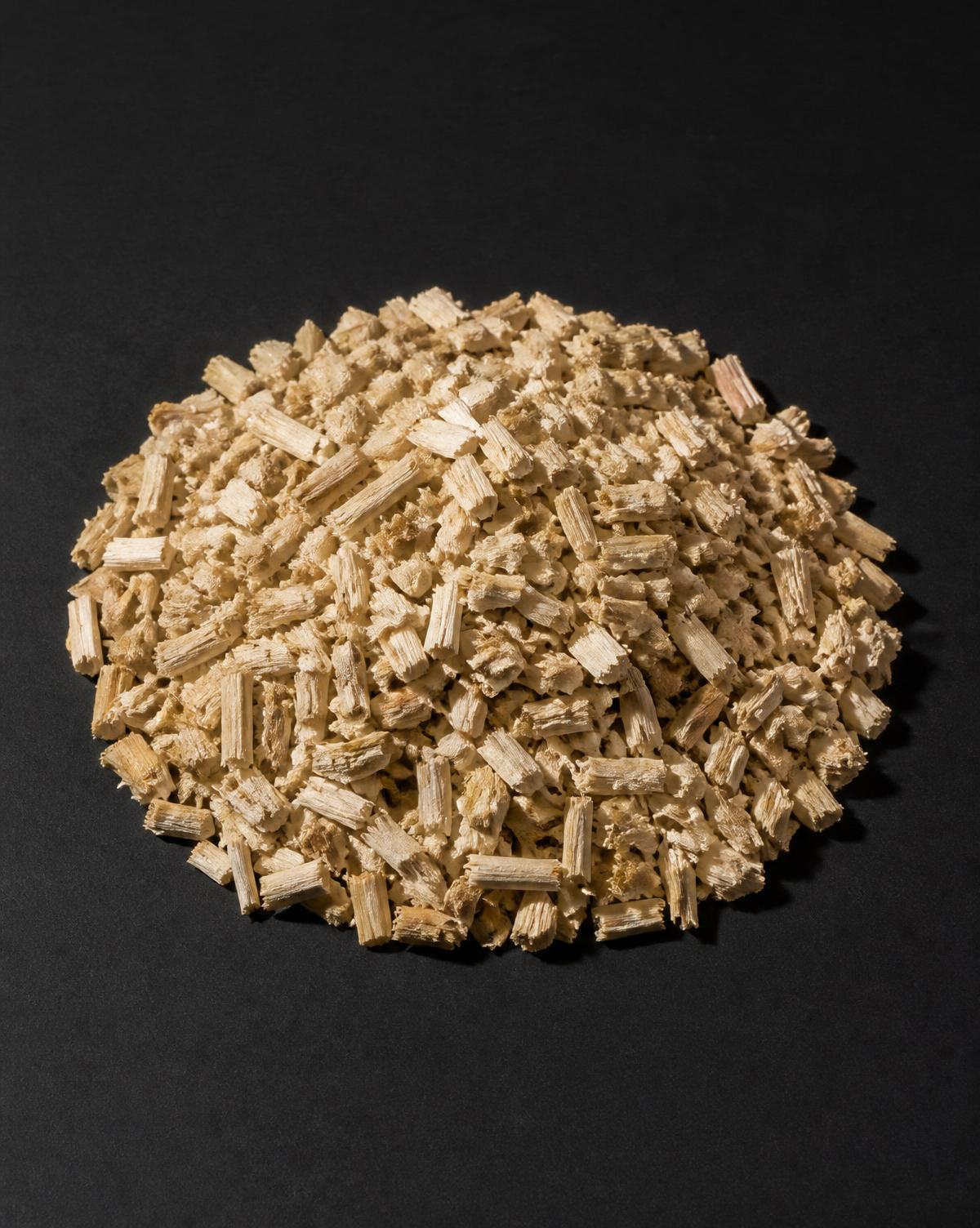
Material 02 · Woody Core
Hurd (Shives)
Uniform woody core for construction materials, animal bedding, and bio-based manufacturing.
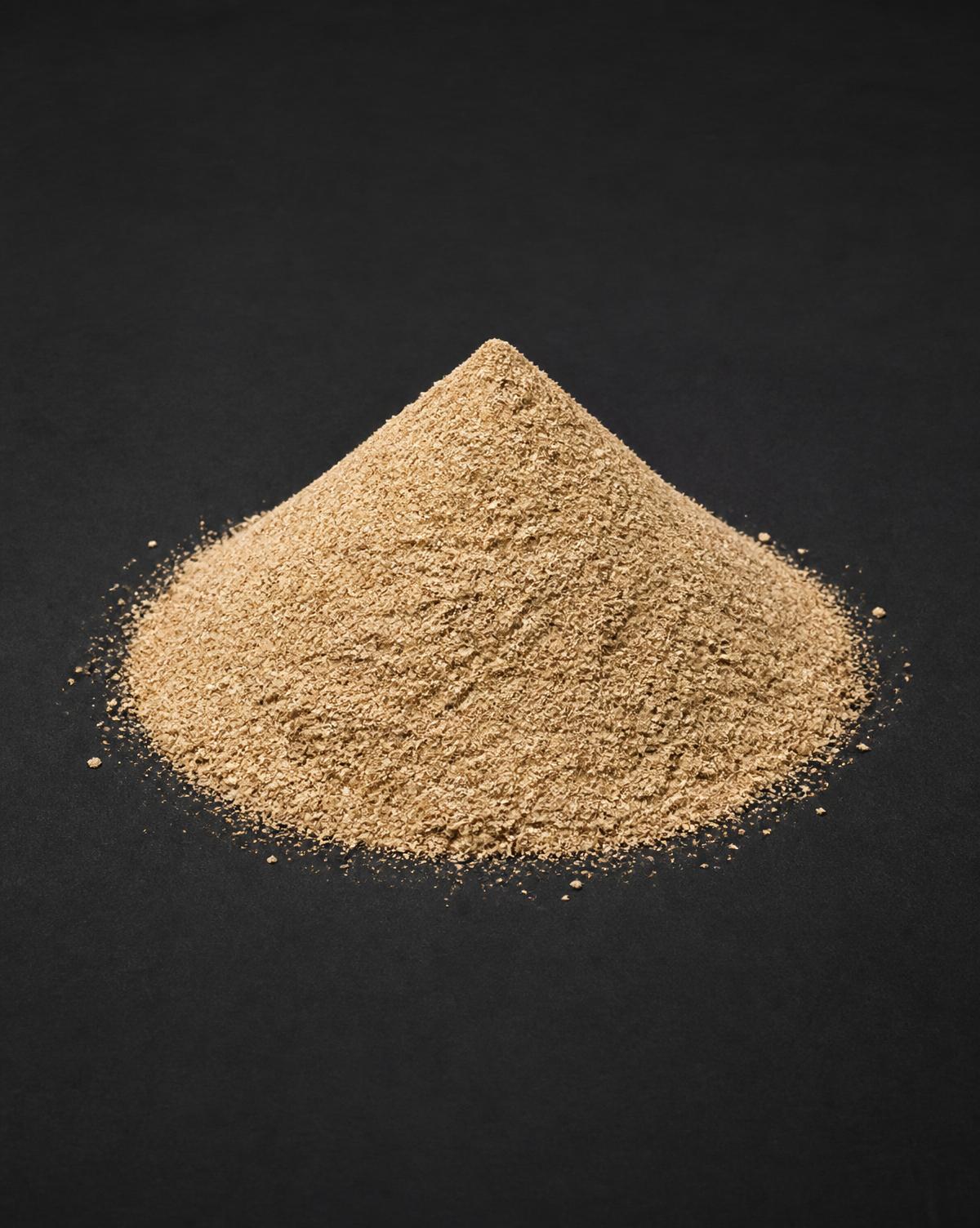
Material 03 · Fine Biomass
Fines
Fine biomass supporting bioplastics, advanced materials, energy, and emerging industrial applications.
03 / 09 · Industries We Enable
Catavus is building the processing layer that supplies inputs to these industries. We do not compete inside them. Our role is to make domestic biomaterials a reliable specification — designed for industrial volume, priced against incumbents, and consistent across regions.
Concluding Panel
Expanding Possibilities.
As material science advances, new opportunities continue to emerge. The industries shown here represent just a portion of what regional processing infrastructure can enable.

04 / 09 · Why Hemp
We selected industrial hemp as our primary feedstock for a set of engineering and economic reasons — not ideological ones. It performs across a wide range of industrial specifications while remaining regionally cultivable at commercial volume.
Tensile Strength
Among the strongest natural fibers, competitive with engineered synthetics.
Growth Cycle
Reaches maturity in a single season, allowing annual regional supply.
Carbon Density
Sequesters carbon during growth and locks it into the finished material.
Process Compatibility
Adapts to established composite, textile, molding, and construction workflows.
Domestic Supply
Cultivable across a wide band of American farmland at scale.
Material Yield
Every part of the stalk converts into usable industrial input.
05 / 09 · Why Now
Manufacturers are under increasing pressure to reduce emissions and strengthen domestic supply chains. Biomaterials have moved from experimental to expected. The remaining constraint is standardized industrial supply.
Learn More06 / 09 · Where We Are Today
Catavus is advancing toward the launch of its first Illinois processing facility, with equipment, feedstock, commercial development, and strategic partnerships progressing toward deployment.
We are actively working with manufacturers, research partners, agricultural stakeholders, and industry organizations to build the foundation for scalable domestic biomaterial production.
We are building.
07 / 09 · Our Approach
Three principles guide how we build — how we choose partners, how we design systems, and how we measure progress.
I
We build the infrastructure that enables industries — not individual products.
II
We believe lasting infrastructure is built alongside farmers, manufacturers, universities, developers, governments, and capital partners.
III
Infrastructure should be measured in decades, not quarters.
08 / 09 · Built in America
America’s industrial future depends on more than innovation. It depends on the ability to source, process, and manufacture high-performance materials close to where they are needed. Catavus is helping strengthen that foundation.
Pillar 01
Supporting American Farmers
Pillar 02
Strengthening Domestic Manufacturing
Pillar 03
Reducing Import Dependence
Pillar 04
Skilled Manufacturing Jobs
Pillar 05
Resilient Supply Chains
Pillar 06
Value in Rural Communities

09 / 09 · Build With Us
Whether you’re investing in the future of manufacturing, advancing material science, or building the infrastructure behind the next generation of industrial materials, we’d welcome the opportunity to start the conversation.
For capital partners aligned with long-horizon industrial infrastructure.
Learn about our strategy, roadmap, and long-term vision.
For companies seeking standardized, domestic biomaterial inputs.
Explore how our materials integrate into your production.
For research partners advancing material science and process engineering.
See current research directions and how to collaborate.
For agencies and economic development offices building regional industrial capacity.
Understand how regional hubs support economic development.
We believe the materials we choose shape the future we build.